Direct answer
An exterior roller-shade fabric specification should name the exact material reference, openness, measured optical performance, color, construction, roll dimensions, tolerances, fabrication requirements, outdoor exposure, and any project standards. Evaluate the fabric with the intended glazing and complete shade system. A label or openness percentage alone does not establish heat control, UV performance, privacy, wind suitability, or code compliance.
Why a roller-shade fabric needs a project-specific specification
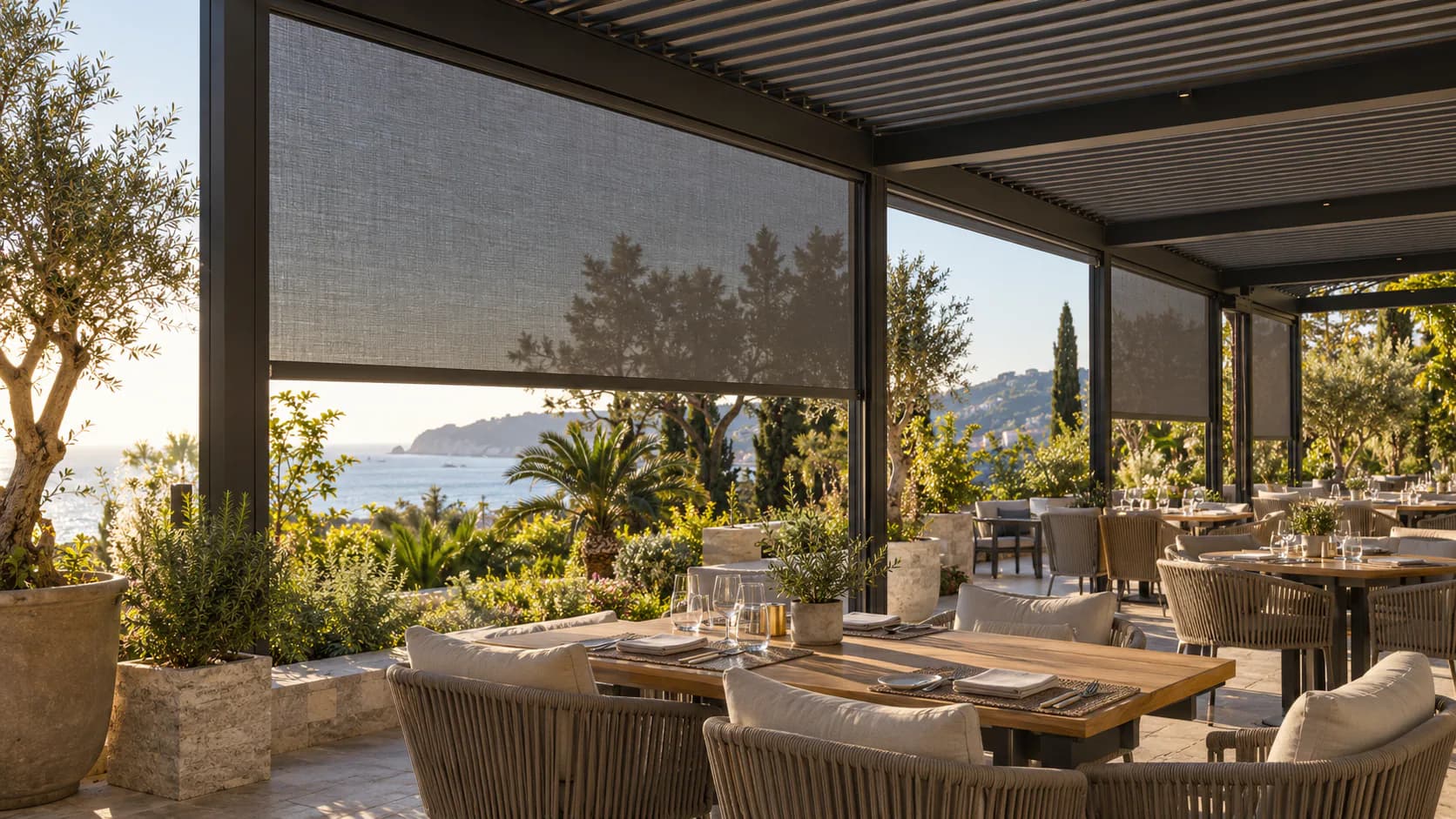
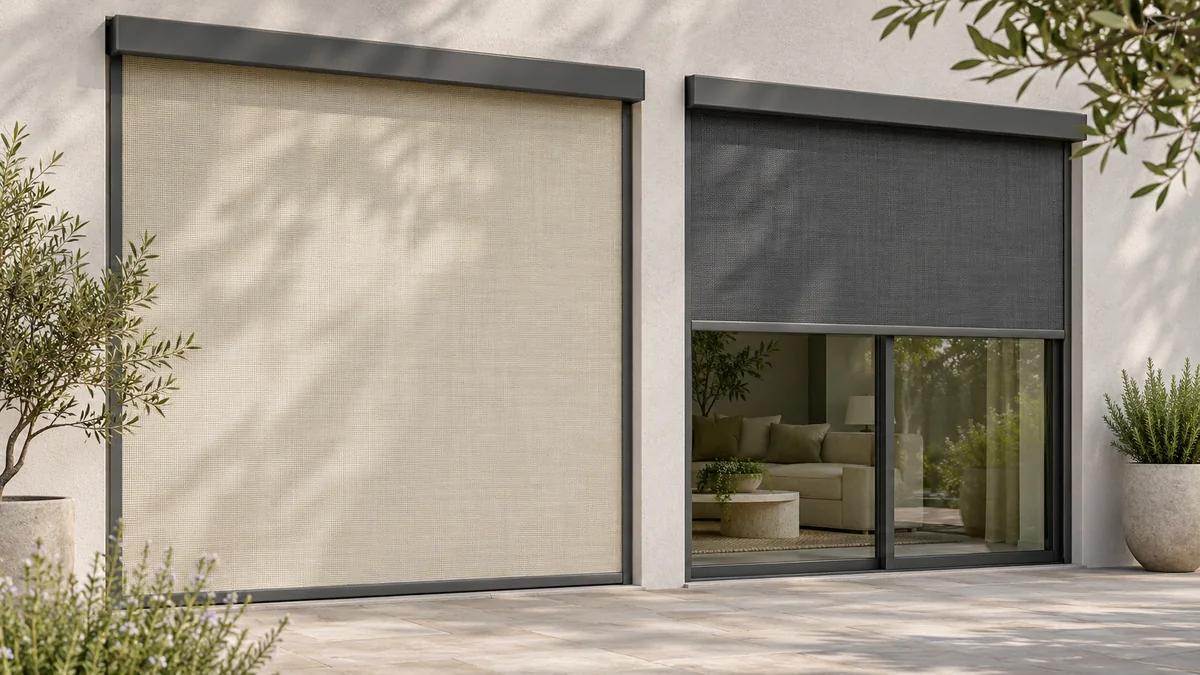
Exterior roller shades place a screen outside the glazing, where it can intercept sunlight before it reaches the glass. The fabric influences light transmission, glare, view-through, appearance, and how the shade is fabricated. The completed result also depends on the window, mounting position, roll tube, side guides, bottom bar, controls, and installation.
That is why a request such as “outdoor screen fabric, 3% openness” is only a starting point. It does not identify the exact construction, optical data, usable width, color, finishing method, or compatibility with the shade system. A useful specification connects the fabric to a defined opening and a measurable project brief.
This guide is for shade manufacturers, facade contractors, distributors, architects, procurement teams, and brands sourcing exterior roller screens. It explains what to record, how to compare supplier data, and what to confirm before approving samples or quotations.
1. Separate the fabric specification from the shade-system specification
The textile supplier and the shade-system designer may be responsible for different parts of the performance. Record who will confirm each requirement.
| Fabric questions | Complete-system questions |
|---|---|
| What is the exact product reference, construction, yarn or base material, and finish? | What are the finished opening dimensions and installation details? |
| What are the nominal openness, visible-light data, and solar-optical values for the selected color? | What tube, brackets, side guides, bottom bar, and drive are specified? |
| What are the fabric width, mass, thickness, tolerances, and roll format? | How will wind exposure, movement, and the intended duty cycle be managed? |
| Which tests, classifications, cleaning instructions, and warranty apply to this fabric reference? | Which product-level safety, performance, electrical, and local-code requirements apply? |
An external blind may be subject to requirements that do not belong to a fabric roll by itself. In the UK and European standards framework, BS EN 13561 addresses performance requirements, including safety, for external blinds and awnings. BS EN 14501 classifies thermal and visual comfort, while BS EN 14500 gives related test and calculation methods. Confirm the current editions and applicability with the project specifier; a fabric data sheet alone does not demonstrate that a complete blind complies. BSI: BS EN 13561; BSI: BS EN 14501:2021+A1:2025; BSI: BS EN 14500
2. Define the site and the desired result before choosing a fabric
Start with the opening and how the screen will be used. Share these details with each supplier or system partner:
- Opening width and height, window orientation, and whether the shade sits outside the glazing.
- Glazing type or the project’s glazing assumptions, if known.
- Desired balance of daylight, view-through, glare reduction, solar control, and privacy.
- Whether users need daytime visibility to the outside, privacy from outside, or both.
- Site exposure, including wind, rain, dust, coastal conditions, and cleaning access.
- How the shade will be operated and whether it will be used seasonally or frequently.
- Required destination-market standards, fire documentation, and project acceptance criteria.
“Privacy” needs a time-of-day context. A screen that supports daytime privacy under one light balance may not prevent views into a lit room at night. Ask for the relevant data and review a full-size sample in the actual viewing conditions.
3. Compare openness without treating it as a performance guarantee
Openness factor describes the open area in a screen construction. Lower values generally indicate a tighter-looking weave; higher values generally preserve more view-through. However, openness is not the same as visible-light transmittance, solar heat gain, UV blockage, or a privacy rating. Those depend on the exact material, color, coating, glazing, and calculation or test method.
| Nominal openness direction | What buyers may prioritize | What to confirm |
|---|---|---|
| Lower openness, such as 1% | A tighter visual screen and reduced direct view through the fabric | Daylight levels, glare, color-specific optical data, and night privacy |
| Mid-range options, such as 3% | A balance between view-through and screening | Visible transmittance and solar data for the chosen color and glazing |
| More open options, such as 5% or higher | A clearer view and a more open appearance | Direct sun, glare, privacy, and whether the system meets the project targets |
These are comparison directions, not universal design rules. For example, Mermet lists E Screen variants from 0.5% to 10% openness and reports visible-light transmittance across its range; Serge Ferrari describes Soltis 86 at 14% openness. The products and their test results are not interchangeable. Use those examples to see why every quotation should identify a specific product and color, not to copy another manufacturer’s performance values. Mermet E Screen specifications; Serge Ferrari Soltis 86
Do not calculate exact UV blockage or room heat reduction from the openness percentage alone. Ask for the reported value, test or calculation method, sample configuration, and limitations for the exact reference being considered.
4. Request the optical data that matches the project
Optical terms can be difficult to compare when suppliers use different methods or different assumptions. Ask for definitions and the full data table for the selected product and color.
| Parameter to request | What it helps you evaluate | What to check in the report |
|---|---|---|
| Visible-light transmittance | How much visible daylight passes through the screen | Measurement method, color, weave, and whether the value is direct, diffuse, or total |
| Solar transmittance, reflectance, and absorptance | How solar radiation is transmitted, reflected, or absorbed by the fabric | Values for the selected color and whether the result applies to fabric alone or a glazing combination |
| Solar factor or SHGC-related result | A system-level view of solar heat gain under stated assumptions | The glazing, shade position, calculation method, and product assembly used |
| UV transmission or blockage | How the tested fabric affects UV transmission | Exact model and color, wavelength or method, and whether the claim is a tested result |
| Glare, view-through, or privacy classification | Whether the system meets visual-comfort objectives | The stated classification method and the viewing conditions represented |
Color and face orientation can change how a screen looks and performs. Some manufacturers publish optical values by shade color, and one side may look different from the other. Ask whether the data sheet identifies both faces, the installation orientation, and the exact color reference. Compare samples alongside the intended frame and glazing. Phifer exterior sun-control FAQ
5. Identify the construction and physical dimensions
For every sample and quotation, record the supplier’s exact product code and revision. Ask for the applicable details:
- Base yarn or substrate and the construction type.
- Coating, lamination, surface finish, and whether the front and back differ.
- Nominal width, usable width, roll length, and tolerances.
- Mass per unit area and thickness, with stated tolerances.
- Tensile and tear data in the relevant directions, where required by the project.
- Dimensional stability under the exposure or fabrication conditions that matter.
- Edge, seam, welding, stitching, or attachment compatibility for the selected system.
These values affect more than purchasing calculations. Usable width influences cutting plans; thickness and hand affect handling; and construction can change how a fabric tracks, rolls, or finishes at the edge. Do not assume that a sample in one width, color, or coating represents a different product variant.
6. Check weathering, cleaning, fire, and warranty evidence
Convert broad words such as “outdoor,” “UV resistant,” “mildew resistant,” or “flame retardant” into questions tied to the project:
- What exact product and color were tested?
- Which test method and edition were used?
- What were the exposure conditions, duration, and reported result?
- What acceptance limit does the project require?
- Does the report cover the fabric alone, or the assembled shade?
- Which cleaning methods and chemicals are permitted?
- What warranty applies to the intended exterior use, and what conditions or exclusions apply?
Fire requirements vary by building type, project, and destination market. Ask the specifier which standard or classification is required, then request a current document for the selected material. Do not transfer a certification or test result from a similar-looking fabric to a different model or color.
7. Evaluate a sample on the intended system
A small swatch can help compare color and texture, but it cannot show how a wide screen will look across a window or behave on a roller. Before approval:
- Confirm the sample label, product code, color, and openness.
- Review both faces and confirm which side faces outdoors.
- View the sample against the intended glazing and frame in relevant daylight.
- Check view-through, glare, color appearance, and privacy from both sides.
- Ask the shade-system partner to assess tracking, rolling, edges, seams, and fit using a representative panel.
- Record the approved physical sample and link it to the specification revision and quotation.
Use a physical reference when color accuracy matters. A screen image may be useful for shortlisting, but it is not a color approval standard. See the color-matching and sample-approval guide for a practical review process.
A practical exterior roller-shade fabric RFQ checklist
Copy this list into a request for quotation and fill in the project-specific items:
| RFQ field | Buyer’s information |
|---|---|
| Finished application | Exterior roller shade or blind, opening dimensions, and project type |
| Site conditions | Orientation, glazing assumptions, wind/rain exposure, cleaning access, and destination |
| Visual target | Preferred openness range, color, view-through, glare, daylight, and privacy requirements |
| Product reference | Exact model, construction, color code, and sample revision |
| Optical evidence | Visible-light and solar data, methods, assumptions, and relevant glazing/system calculations |
| Physical data | Usable width, roll length, mass, thickness, tolerances, and relevant strength data |
| Fabrication | Edge treatment, seam or weld method, roll direction, and intended shade-system interface |
| Compliance | Project-required tests, classifications, document versions, and responsible system partner |
| Commercial basis | Quantity by color/reference, quote unit, packing, delivery location, and required timing |
| Approval | Sample size, evaluation conditions, approval record, and acceptance criteria |
The custom fabric RFQ checklist can help structure the supplier request. For a screen project, include a drawing or window schedule when available; it makes width, system, and fabrication questions easier to answer.
Discuss a shade-screen fabric requirement
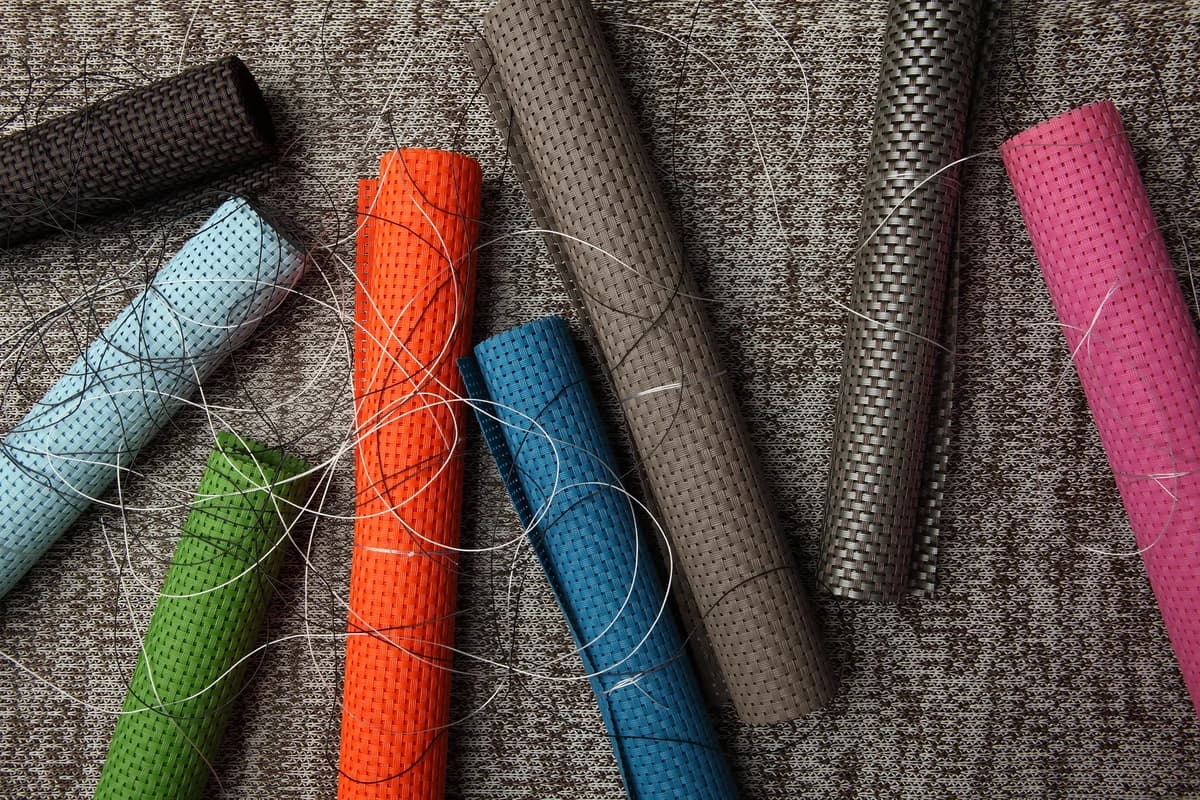
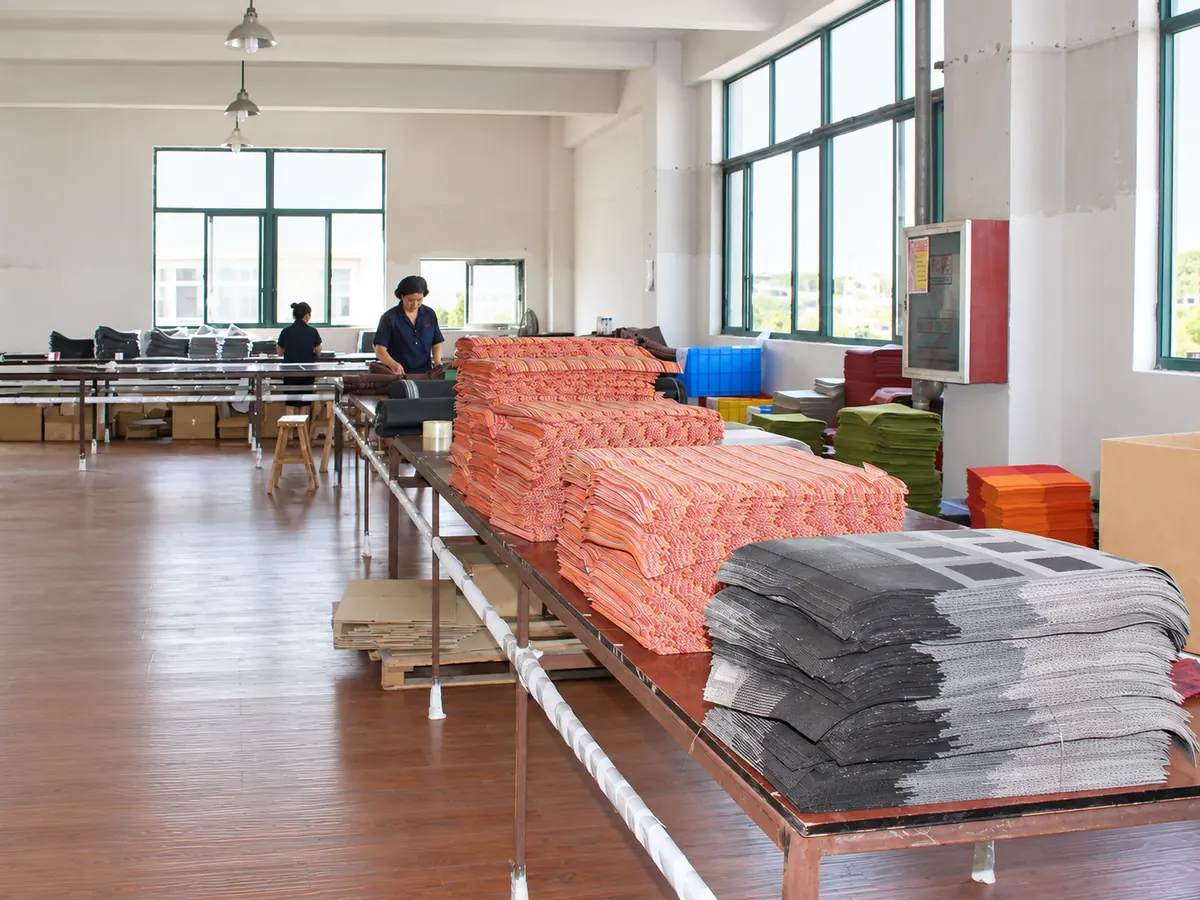
AOLEADER’s shade-screen fabric references and exterior roller-shade application overview can help buyers start a material discussion. The catalog images are visual references; they do not establish the construction or performance of a specific model.
When requesting information, send the application, opening dimensions, preferred openness direction, color target, destination market, expected quantity, system details, and required test documents. The team can then identify which product references and specifications need confirmation. Contact AOLEADER about your shade-screen project.
FAQ
What openness factor should I choose for an exterior roller shade?
There is no single best percentage. Choose a shortlist based on view-through, daylight, glare, privacy, and solar targets, then compare the exact fabric and color with the intended glazing and system.
Does 1% openness mean the fabric blocks 99% of UV?
No. Openness factor and UV blockage are different data points. Request a product- and color-specific UV result with its test method instead of deriving it from the openness value.
Does solar reflectance tell me how much cooler a room will be?
Not by itself. Room performance depends on the fabric, its color, glazing, installation position, building conditions, and the method used to calculate or measure the complete system.
Can any exterior screen fabric be used in a motorized roller shade?
Do not assume compatibility from the fabric category alone. The shade manufacturer or system designer should confirm the fabric’s dimensions, handling, edges, tension, and operation with the selected hardware.
What is the difference between a fabric rating and a blind rating?
A fabric report covers the specimen and test named in that report. A complete external blind has additional components and installation conditions; system requirements and applicable safety or comfort classifications should be confirmed separately.
What should I send when requesting a screen sample?
Provide the finished application, opening dimensions, installation position, target color and openness, glazing assumptions, destination market, quantity, and any mandatory standards or test reports.