Direct answer
For reliable outdoor fabric color matching, agree on one identified color reference, the intended fabric construction and the conditions used to judge the match. Review a physical sample under agreed lighting, define any instrumental tolerance with its measurement method, and record exactly what has been approved. Before bulk production, confirm that the approval applies to the proposed construction and finish. A photograph, a color name or an unexplained Delta E limit is not a complete production standard.
“Please match this beige” can mean several things. A furniture designer may be matching a painted frame, a distributor may want continuity with an earlier collection, and a resort buyer may want replacement loungers to sit beside existing furniture. Each request needs a different reference and a clear definition of an acceptable result.
This guide helps outdoor furniture brands, fabricators and sourcing teams organize color development for woven outdoor fabrics. It focuses on approval decisions and communication with suppliers, rather than prescribing a universal color tolerance.
Choose one authoritative color reference
Start by deciding what the supplier must match. A physical fabric sample, an identified commercial color standard and a previously approved production sample are different kinds of reference. State which one takes priority if they do not agree.
Photographs are useful for explaining the product, pattern and overall direction. Their appearance also depends on lighting, camera processing and the display used to view them. Use them to start the discussion, then agree on an authoritative physical or controlled digital reference for approval.
For a physical reference, record:
- A unique reference ID and the date it was supplied.
- The source, color code and any relevant standard edition.
- The material, construction and finish, if known.
- The intended face and direction of the fabric.
- Whether the sample is new, previously used or part of an earlier production order.
- Who holds the reference and who may approve a change.
Ask both parties to retain identified samples where practical. Protect the reference from routine handling and exposure that might change its condition. If the reference has already faded or become marked, resolve whether the target is its current appearance or the original approved color before development begins.
Matching a code is different from matching another material
A commercial color code can communicate a target, but it does not remove the need to approve the result on the chosen fabric. If the intended match is to a metal frame, plastic fitting or cushion cover, include that component in the review.
Write the relationship you want: an exact visual match, an acceptable coordinated tone, or a deliberate contrast. A charcoal mesh panel and a charcoal frame may be intended to work together without appearing identical. Defining that relationship avoids asking the supplier to solve the wrong problem.
Agree on lighting before judging the match
Two materials can appear to match under one light source and differ under another. This is called metamerism. X-Rite's lighting and visual evaluation guidance explains why standardized viewing conditions matter when assessing that effect.
Agree on a primary controlled lighting condition for approval and any additional conditions relevant to the product. For an outdoor furniture collection, the team may also want to understand its appearance in the intended outdoor setting and under the lighting used on a terrace after dark. Specify those requirements instead of letting each reviewer choose an unrelated room or lamp.
Keep two decisions distinct: a repeatable color comparison and an application appearance review. A visit outside can reveal whether the combination suits the project, but changing daylight makes it difficult to use that visit as the only repeatable production check.
AATCC EP9 is an evaluation procedure for visually comparing textile color differences against a standard. If a purchase specification calls for a formal method, identify the method and edition and have the responsible party follow the complete procedure. Simply mentioning the standard in an email is not evidence that an evaluation was performed to it.
Keep construction and sample presentation consistent
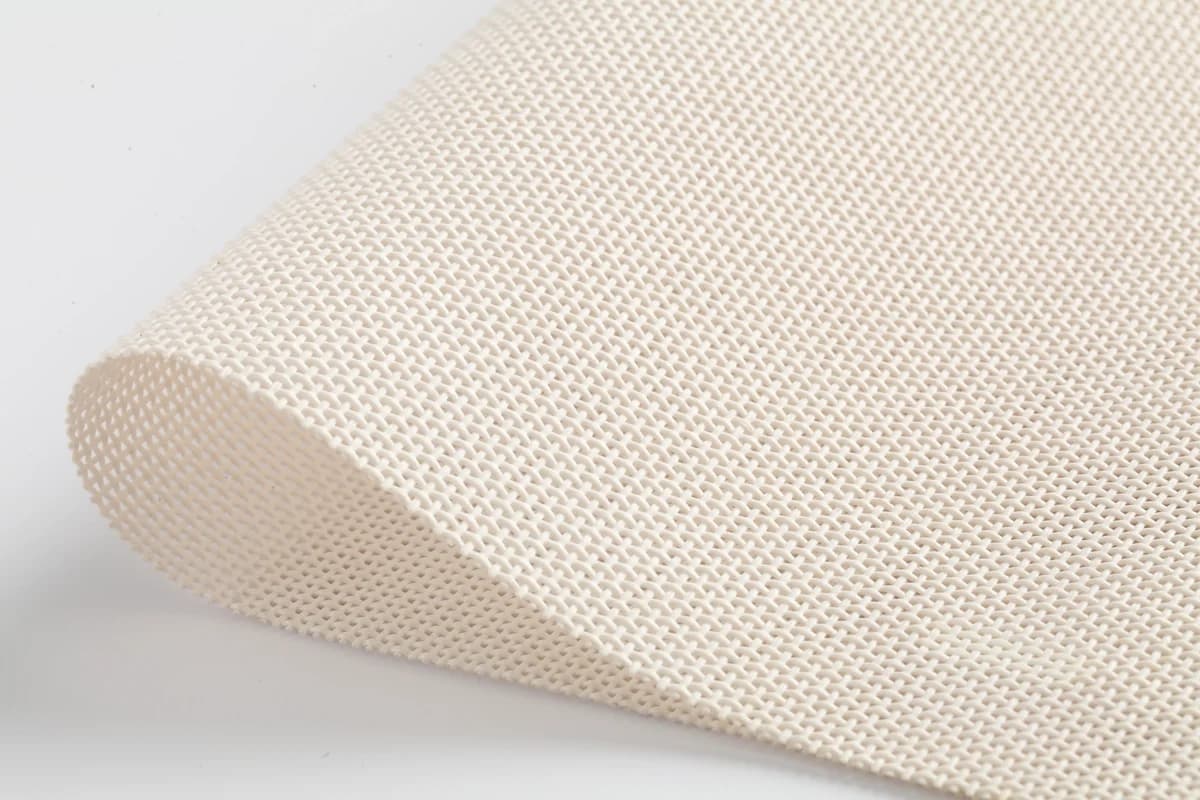
Color is part of a material's overall appearance. Yarn arrangement, surface texture, finish and direction can influence how two samples look together. X-Rite's guidance on directional and textured surfaces explains why fabric orientation and viewing geometry can affect a comparison.
For open woven mesh, agree on how the sample is presented, including the backing behind it. Do not compare one swatch on a white card with another held over a dark tabletop and assume the difference comes entirely from the fabric. Ask the supplier or testing laboratory to define the preparation appropriate to the measurement or visual procedure.
When requesting a revision, state which variables must remain fixed. If the approved sample is a particular weave and coating finish, a different construction in a similar color needs a separate review. A purchasing record should make it possible to identify both the color and the material used to achieve it.
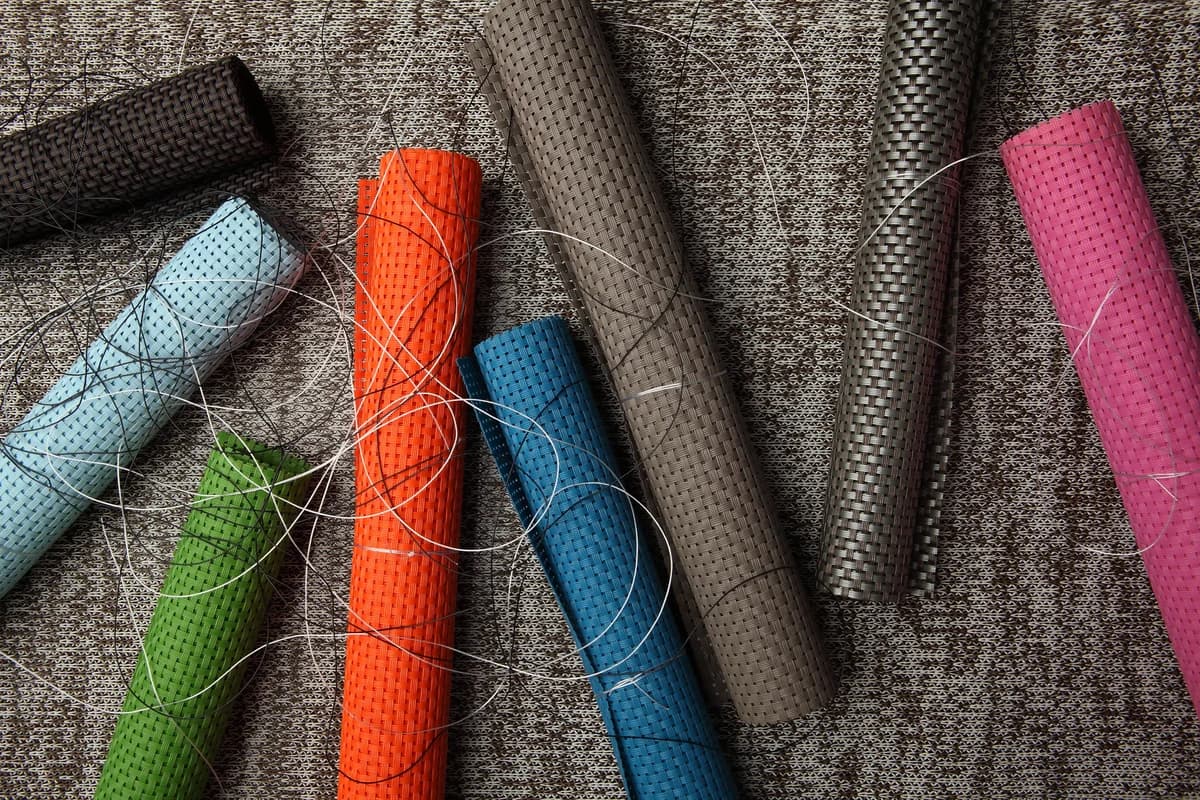
For a striped or multicolor weave, also identify the yarn colors, pattern repeat and direction that matter. Approval of one background shade does not automatically approve the complete pattern.
Use color measurements with an agreed method
Delta E expresses a calculated color difference. A result needs an identified reference, formula and measurement setup to be meaningful.
Datacolor's tolerance guidance explains why acceptance limits should suit the material, color and application, with visual assessment considered alongside measurement.
Ask the technical team to agree on:
| Item to define | Question to resolve |
|---|---|
| Reference | Which identified standard or approved sample is measured? |
| Formula | Which color-difference calculation and parameters are used? |
| Instrument setup | Are the measurement geometry and relevant settings aligned? |
| Sample preparation | How are backing, layers, orientation and measurement positions controlled? |
| Acceptance rule | What limits apply, and what happens if visual and numerical results disagree? |
| Record | Which data and sample IDs accompany the approval? |
Resolve conflicting results before authorizing production. Record the decision instead of silently accepting whichever result is convenient.
Define what the sample approval actually covers
An approval should state its scope. The supplier may submit an early color trial made with a development process, a swatch of the intended construction, or a sample drawn from production. Those submissions do not necessarily answer the same question.
Use a simple sequence agreed with the supplier:
- Target agreement: identify the reference, application and evaluation requirements.
- Development review: assess the proposed color and give specific revision comments.
- Construction confirmation: verify the selected weave, yarn arrangement and finish alongside color.
- Production reference approval: agree which sample and written specification govern the order.
- Bulk verification: review the agreed production checks and their traceability to the approved reference.
The names of these stages may differ between suppliers. Ask what each submitted sample represents instead of assuming that a term such as “lab dip” describes the same process for every coated or woven material.
For example, an approval message could read: “Sample C, reference CL-04, is approved for color under the agreed viewing conditions. Final fabric construction and finished-chair appearance remain subject to review.” That is clearer than “Looks good,” which leaves the supplier to guess whether the entire specification has been accepted.
Use an approval record that travels with the order
Keep the final decision in a record linked to the purchase order, rather than leaving it across several chat messages. A short form is sufficient when it identifies the target, decision and remaining conditions.
| Approval field | Information to capture |
|---|---|
| Project and item | Product name, fabric code and purchase-order reference |
| Target | Master reference ID, color code and revision |
| Submission | Supplier sample ID, submission date and represented construction |
| Evaluation | Agreed light sources, visual procedure and relevant measurement report |
| Decision | Approved, revise and resubmit, or rejected, with a clear reason |
| Scope | Color only, color plus construction, or another explicitly defined scope |
| Conditions | Any open requirements that must be resolved before production release |
| Authority | Approver, date and retained-sample locations |
Revision feedback should refer to the comparison actually performed. If several people contribute comments, nominate one person to issue the final instruction. Otherwise a supplier may receive conflicting requests from design, purchasing and the customer's project team.
Keep superseded samples clearly marked. A reference should not remain in circulation as “approved” after a later revision replaces it.
Check production consistency before cutting and assembly
Agree on the inspection and sampling plan before the order is made. Ask how the supplier will identify production batches and rolls, compare the agreed samples, and report any exceptions. Sampling quantities and acceptance rules should reflect the order and the buyer's requirements; one universal inspection count is not suitable for every project.
At receiving, preserve the supplier's roll and batch identification. If color consistency is critical across adjacent panels or a furniture set, discuss cutting and allocation with the fabricator before mixing material from different deliveries. Set aside a questionable roll for review instead of relying on the finished assembly to conceal the difference.
Compare any disputed material against the same identified reference and evaluation conditions. Send the supplier the roll ID, sample location, photographs for context and the actual evaluation result. “The latest order is darker” is difficult to resolve without knowing which reference and conditions produced that judgment.
For a broader supplier review, see our PVC-coated polyester mesh supplier comparison guide. Product-specific documentation can also be discussed through our quality page.
Separate initial color matching from outdoor colorfastness
A good match at delivery and acceptable appearance after exposure are separate requirements. An initial sample approval cannot demonstrate how the color will change outdoors or after repeated cleaning.
If the product needs colorfastness evidence, request the relevant test method, exposure conditions, evaluation criteria and report for the proposed material. Confirm that the report identifies a relevant construction and color. Avoid turning a laboratory exposure duration into an unqualified promise of years of outdoor service.
For maintenance compatibility, also review the outdoor mesh cleaning and care guide. The proposed care routine should be part of the product discussion, particularly when a hospitality customer plans to use a specific cleaning product.
What to send for a custom color discussion
Send the finished-product application, the identified color reference, the preferred fabric construction and expected quantity by color. Include the components the fabric should coordinate with and explain whether the order must match an existing collection.
Add the intended viewing conditions, any established tolerance procedure, the approval contact and the required sample schedule. State which details are fixed and which need development. For a complete purchasing brief, use our custom outdoor fabric RFQ checklist.
AOLEADER can help organize the material and sample discussion around that brief. Color feasibility, available constructions, supporting documentation and production requirements must be confirmed for the specific request.
FAQ
Can a supplier match a color from a phone photograph?
A photograph can explain the direction, but it is a weak final approval reference. Agree on a physical standard or an appropriate controlled digital specification before accepting the production color.
Is one Delta E limit suitable for all outdoor fabrics?
No. The acceptance rule should account for the material, color, application and evaluation method. A number without its formula and measurement conditions is incomplete.
Why do two swatches match in one room but not another?
Different lighting can reveal metamerism. Check the samples under the agreed evaluation conditions and review any additional lighting relevant to the end use.
Does a color code guarantee identical appearance on mesh and metal?
No. The target code is only part of the specification. Review the actual materials together and define whether an exact match or a coordinated appearance is required.
Does sample approval guarantee the same color on every future order?
No. Keep the approved reference and repeat the agreed verification for reorders. Identify the new batch and any changes to material or process that require renewed approval.